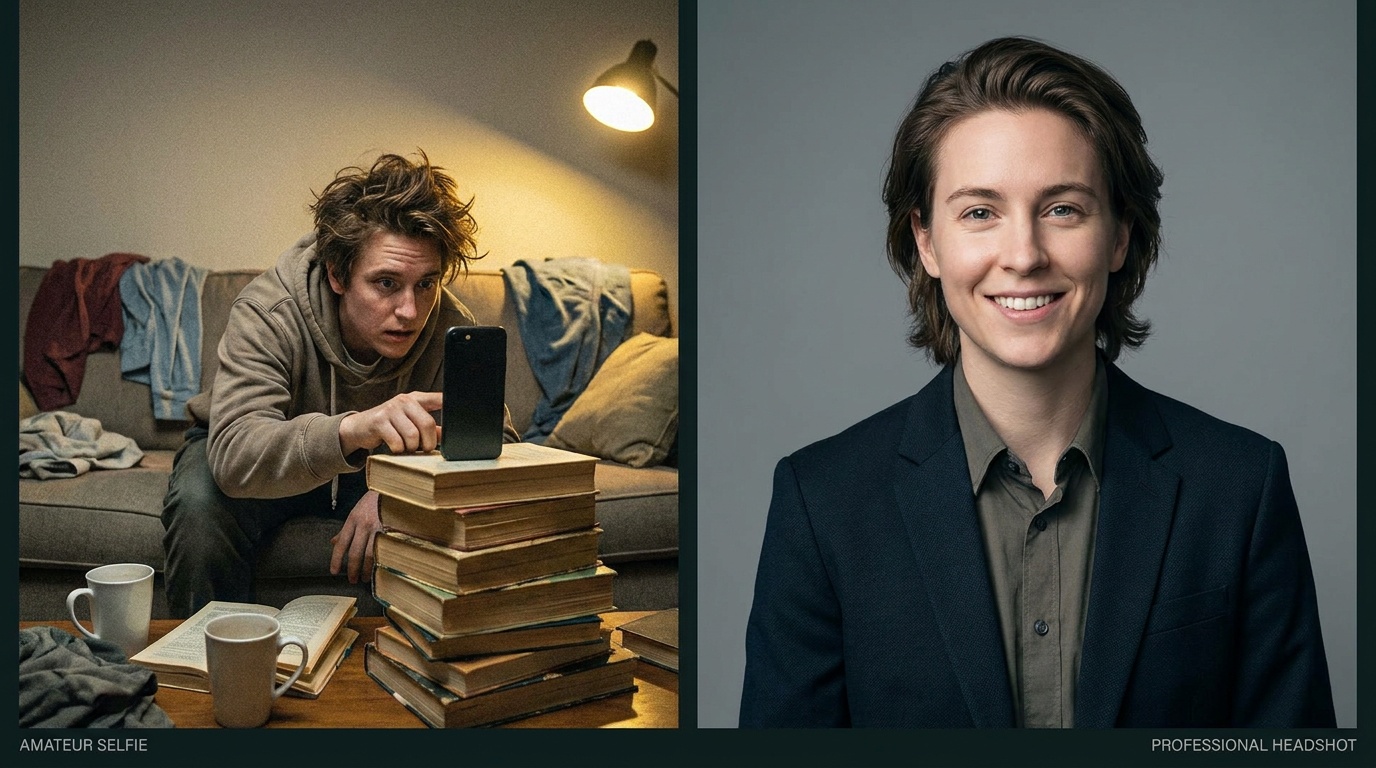
Business Casual Headshot Examples for Women: A Guide

The term “business casual” can feel frustratingly vague, especially when you’re trying to choose an outfit for a professional photo. As a portrait photographer, it’s the dress code I get the most questions about, and for good reason—it’s a delicate balance. This guide provides concrete business casual headshot examples for women, breaking down exactly what works, what doesn't, and how to create a portrait that looks polished, modern, and authentically you.
Decoding 'Business Casual' for Your Headshot
First, let's clarify: business casual for a headshot is not the same as business casual for a day at the office. In a photo, the focus is entirely on you from the chest up. Your goal is to convey professionalism and approachability in a single frame, without the context of a full outfit or office environment.
The key is to align your look with your industry's expectations while letting your personality shine through. What works for a tech founder might not be the right fit for a financial advisor.
Industry-Specific Examples
- Tech, Startups, and Creative Fields: This is where you have the most flexibility. Think elevated basics. A high-quality merino wool sweater, a silk-blend shell top, or a simple, well-made blouse in a solid color works perfectly. You can often skip the blazer for a more open and modern feel.
- Corporate, Finance, and Law: Here, you want to lean more toward the “business” side of business casual. A structured blazer is your best friend. Wear it over a simple shell top or a crew-neck blouse. The blazer adds a layer of authority and polish, even if you wear it open.
- Consulting, Sales, and Real Estate: Your headshot needs to build trust and radiate confidence. A tailored blouse in a rich color (like emerald green or sapphire blue) or a sheath dress with a modest neckline are excellent choices. A blazer is a strong option here as well.
The Ultimate Wardrobe Checklist
When I prep clients for a shoot, we always start with the wardrobe. The right clothing choices make all the difference. Remember, the camera picks up everything—wrinkles, textures, and fit.
Tops: The Foundation of Your Look
Your top is the main event in a headshot. Choose wisely.
- Colors: Solid colors are almost always the best choice. They keep the focus on your face. Jewel tones (emerald, ruby, sapphire), deep earth tones (olive, maroon), and rich neutrals (navy, charcoal, cream) are universally flattering. Avoid bright neons or pastels that can wash you out under lights.
- Fabric: Look for materials that have some weight and structure. Silk, crepe, high-quality cotton, and fine-gauge knits photograph beautifully. Steer clear of thin jersey, linen that wrinkles easily, or anything with a high shine that can create distracting reflections.
- Necklines: Classic necklines are timeless for a reason. V-necks, boat necks, crew necks, and collared blouses are all safe and professional bets. Avoid deep plunging necklines, off-the-shoulder styles, or turtlenecks that can awkwardly crop your neck.
Layers: Adding Depth and Structure
Layers are a photographer’s secret weapon for adding dimension and creating a more polished silhouette.
- The Blazer: A well-fitting blazer is the single easiest way to elevate any top into a business casual powerhouse. Ensure the shoulders fit perfectly—not too tight, not too slouched. A single-button blazer creates a nice V-shape that is very flattering.
- Cardigans: These can be tricky. A structured, fine-knit cardigan can work, but avoid chunky, oversized, or pilled sweaters. In most cases, a blazer offers a cleaner, more professional line.
Accessories: Less Is More
Your accessories should complement your look, not dominate it.
- Jewelry: Think simple and classic. A pair of pearl or diamond stud earrings, a delicate pendant necklace, or a classic watch are perfect. Avoid large statement necklaces, dangling earrings that can catch the light distractingly, or anything that makes noise.
- Scarves: A silk scarf can add a nice pop of color, but it can also look dated or fussy if not styled perfectly. If you choose to wear one, keep it simple and ensure the knot isn't bulky.
Posing and Expression: Communicating Confidence
Your outfit sets the stage, but your pose and expression tell the story. The goal is to look confident, engaged, and approachable—not stiff or nervous.
Finding Your Angle
Standing straight-on to the camera can look confrontational and wide, like a passport photo. Instead, try this classic photographer’s trick:
- Stand with your feet together, then turn your body about 45 degrees away from the camera.
- Plant your weight on your back foot.
- Turn your head back toward the camera, leading with your chin.
This simple adjustment creates a more dynamic, engaging, and flattering line. It instantly makes you look more poised.
The Chin Trick
To define your jawline and avoid the dreaded double chin, don't just look at the camera. Gently push your forehead and chin forward, toward the lens, as if a string were pulling the back of your ears. It feels unnatural, but from the camera’s angle, it creates a clean, strong jawline. Practice in a mirror to see the dramatic difference it makes.
Nailing the Expression
A genuine expression is everything. A forced smile is easy to spot.
- The Squinch: Don't stare wide-eyed at the camera. Confident people don't. Instead, slightly tighten your lower eyelids, as if you're focusing on something with great interest. This is the “squinch,” and it conveys focus and engagement.
- The Smile: A real smile reaches your eyes. Before the photo is taken, think of something genuinely funny, a person you love, or a recent success. Let that genuine feeling create a soft, natural smile. A slight parting of the lips often looks more relaxed than a closed-mouth smile or a huge, toothy grin.
Upload a photo, pick a look and get your portrait in a minute. Your face stays yours.
Try itBackground and Lighting: Setting the Scene
Where you take your photo is just as important as what you wear. The background and lighting must support your professional image, not detract from it.
Choosing Your Background
- Studio Style: A solid, neutral background is the gold standard for corporate headshots. Light gray, dark gray, or deep blue are timeless choices that put all the attention on you. They are clean, professional, and distraction-free.
- Environmental Style: A softly blurred office background can add context and personality. Look for clean lines, good light, and an uncluttered space. A window, a modern bookshelf, or a minimalist conference room can work well. The key is to ensure the background is significantly out of focus so you remain the clear subject.
Common Mistake: Avoid busy backgrounds at all costs. No exposed brick walls with distracting patterns, no messy home offices, and no outdoor scenes where the light is unpredictable.
Finding the Best Light
Lighting is the single most critical technical element of any portrait. Soft, diffused light is your goal.
- Natural Light: The most flattering light is free. Position yourself facing a large window on an overcast day. The clouds act as a giant diffuser, creating soft, even light that minimizes harsh shadows and flatters your skin. Avoid direct, hard sunlight, which creates unflattering highlights and dark shadows.
- Avoid Bad Light: Never use the direct flash on your phone or camera—it creates a flat, harsh look. Also, beware of overhead lighting (like ceiling lights or pot lights), which casts deep, dark shadows under your eyes and nose.
Women's Business Casual Headshot Examples From Your Phone
Getting a professional photographer, finding the right location, and scheduling a shoot can be a major hurdle. This is where technology can provide a powerful alternative. You can get stunning results without ever stepping into a studio.
AI-powered photo studios like Portretto are designed for this exact purpose. You can upload a few casual selfies taken with your phone, and the AI will generate a wide variety of studio-quality business casual headshots. It preserves your unique facial features while placing you in professional attire, with perfect lighting and a clean background.
To get the best results from an AI generator, the quality of your input photo is crucial. Follow these steps for your source selfie:
- Find the Light: Stand facing a window with soft, indirect light.
- Use a Plain Background: A simple wall is perfect. This helps the AI isolate you from your surroundings.
- Frame Yourself: Take the photo from the chest up. Keep your phone at eye level.
- Look Natural: Maintain a neutral expression or a very gentle smile. Let your hair fall naturally.
- Keep it Simple: Wear a simple, solid-colored top like a crew-neck t-shirt. The AI will generate the professional outfit, so a clean neckline on your source photo is all you need.
Common Headshot Mistakes to Avoid
I've seen it all over the years. Here are the most common mistakes that can undermine an otherwise great headshot:
- Outdated Photo: Your headshot should look like you today. Update it every 2-3 years, or after any significant change in your appearance.
- Busy Patterns or Logos: Stripes, intricate florals, and brand names draw the eye away from your face.
- Wrinkled or Ill-Fitting Clothes: The camera is unforgiving. Ensure your clothes are clean, pressed, and fit you perfectly.
- The Obvious Selfie: A photo taken at arm's length with a distorted angle and a distracting background immediately reads as unprofessional.
- Over-Editing: Avoid heavy-handed filters, unnaturally smooth skin, or overly whitened teeth. Your headshot should be an authentic, polished version of you, not an avatar.
Your headshot is your digital handshake. By carefully considering your wardrobe, expression, and the technical details, you can create a powerful image that opens doors and builds connections. Whether you're working with a professional photographer or using a tool to create your own, these principles will help you put your best face forward.
FAQ
What colors are best for a business casual headshot?
Solid colors are your best bet. Jewel tones like emerald, sapphire, and ruby are flattering on many skin tones, as are rich neutrals like navy blue, charcoal gray, and cream. Avoid busy patterns, neons, or large logos that distract from your face.
Should I wear a blazer in my business casual headshot?
It depends on your industry. For corporate, finance, or legal fields, a blazer is a great way to add polish and authority. For more creative or tech-focused roles, you can often opt for a high-quality blouse or sweater for a more modern, approachable look.
Can I smile with teeth in a professional headshot?
Absolutely! A genuine, confident smile with teeth is often more engaging and approachable than a closed-mouth smile. The key is to make sure it's a natural expression that reaches your eyes, not a forced or overly wide grin.
How often should I update my professional headshot?
You should update your headshot every 2-3 years. It's also important to get a new one if you've had a significant change in your appearance, such as a new hairstyle or color, or if you start wearing glasses.
Is it okay to use a selfie for my LinkedIn profile?
A standard arm's-length selfie with a distracting background is generally not professional enough for LinkedIn. However, you can use a well-taken selfie as a source image for an AI headshot generator, which can transform it into a polished, studio-quality portrait.